Volkswagen redesigned its brand. Not as a surface, but as something that had to hold across systems, products and markets. We joined the process from within, working at the point where brand becomes interface, where decisions stop being visual and start becoming structural. Embedded in a collaborative “powerhouse” model, the work moved across disciplines and agencies, building a shared logic rather than isolated outputs. The digital layer was not treated as an extension, but as a place where the brand had to prove itself.
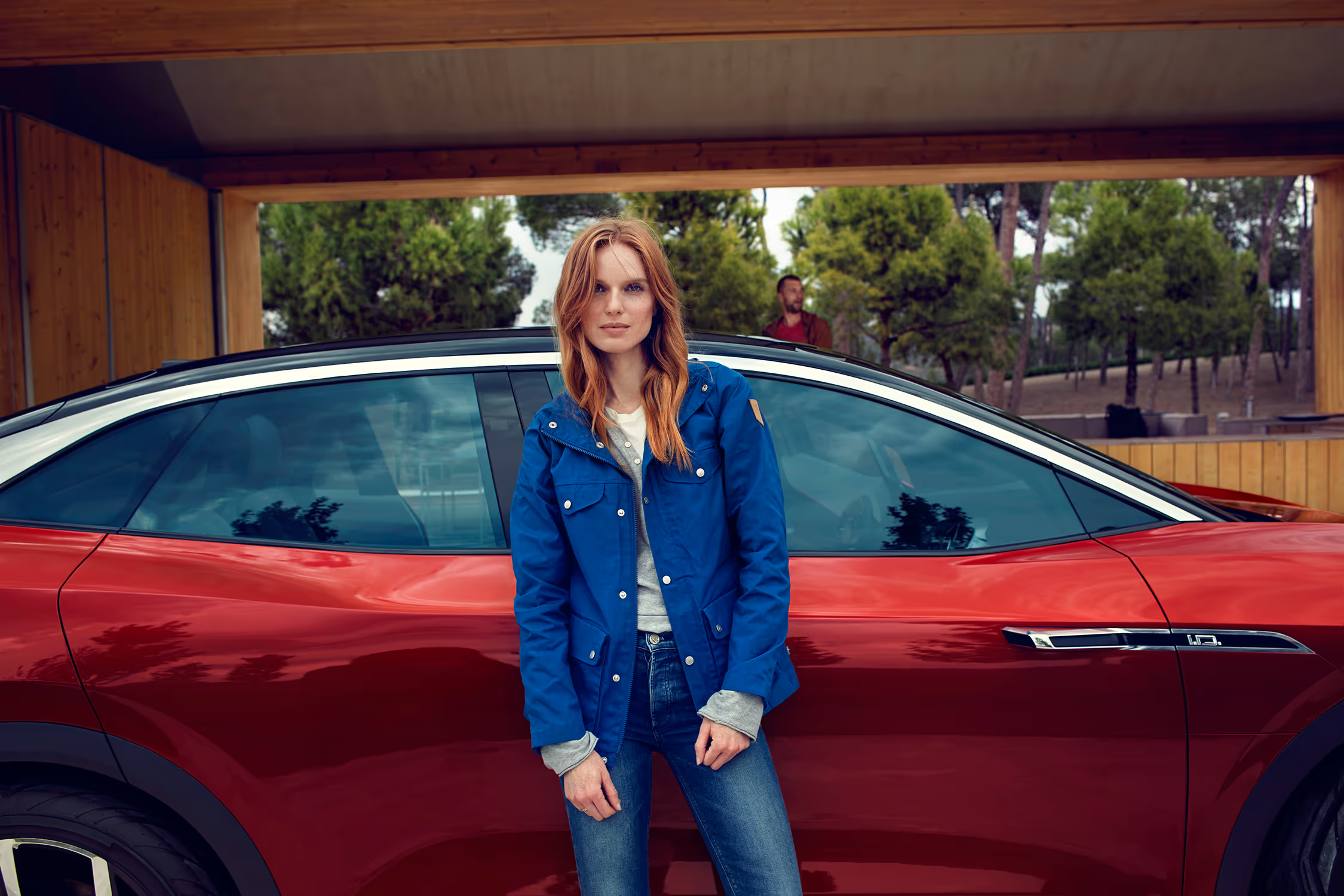
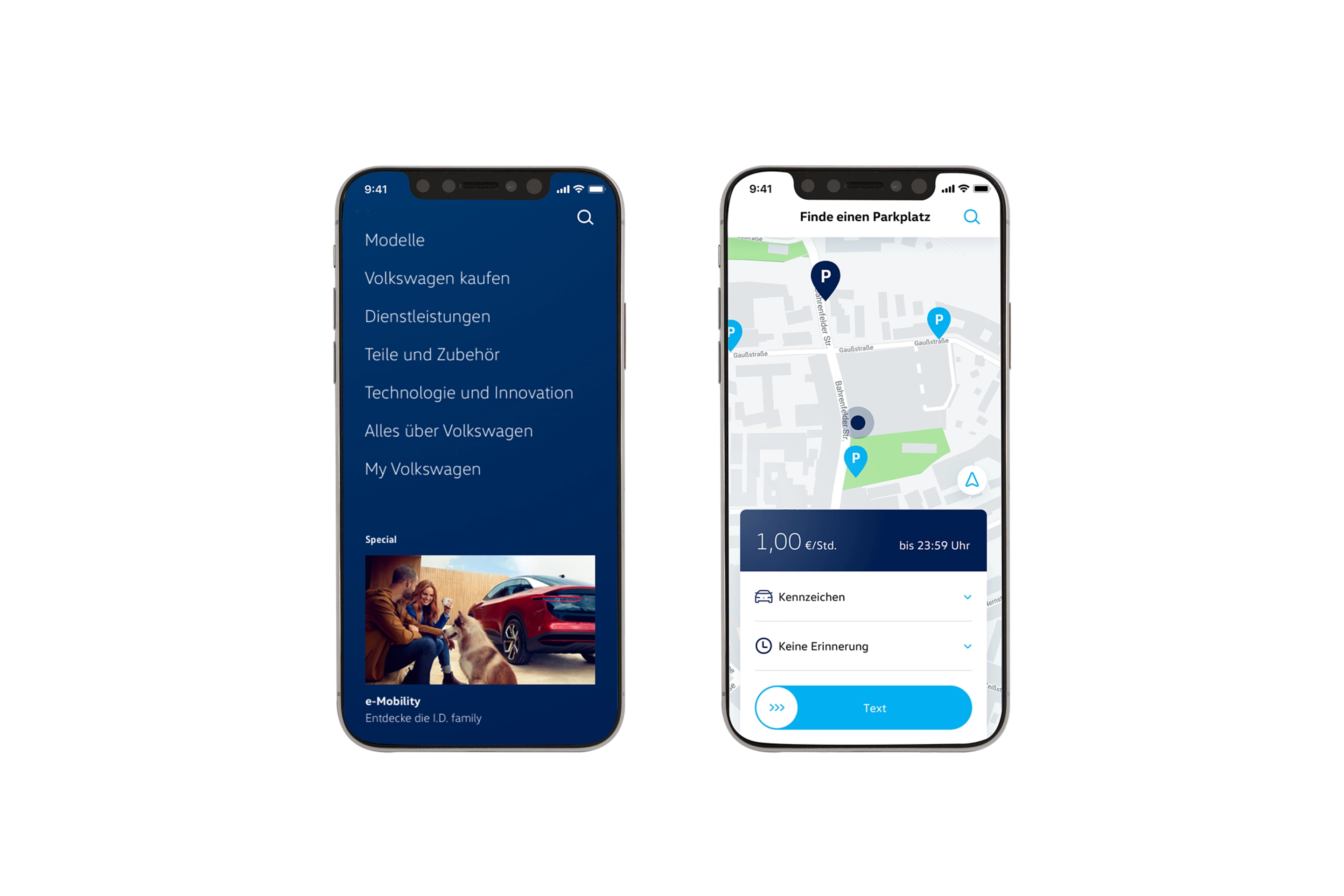
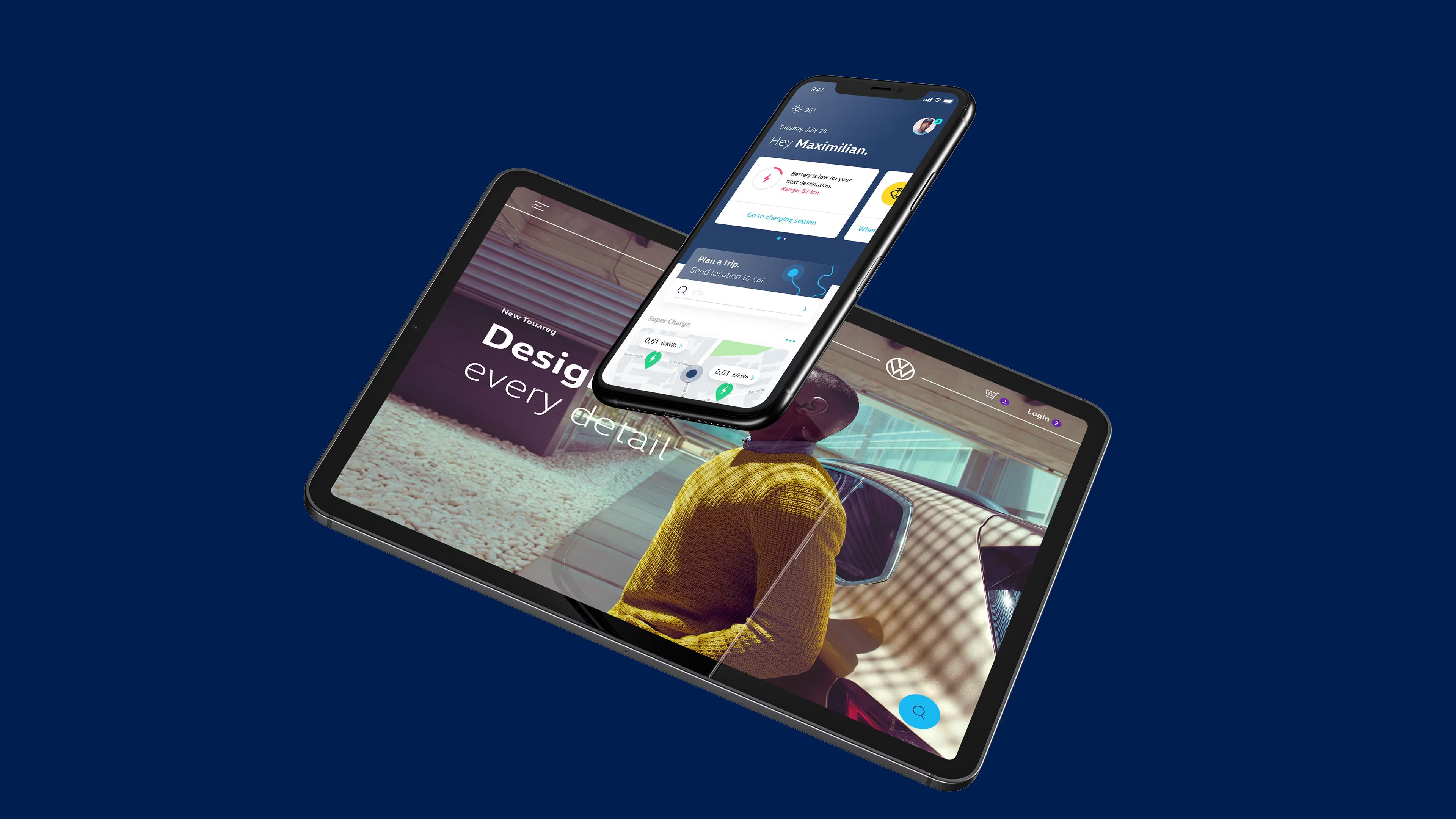

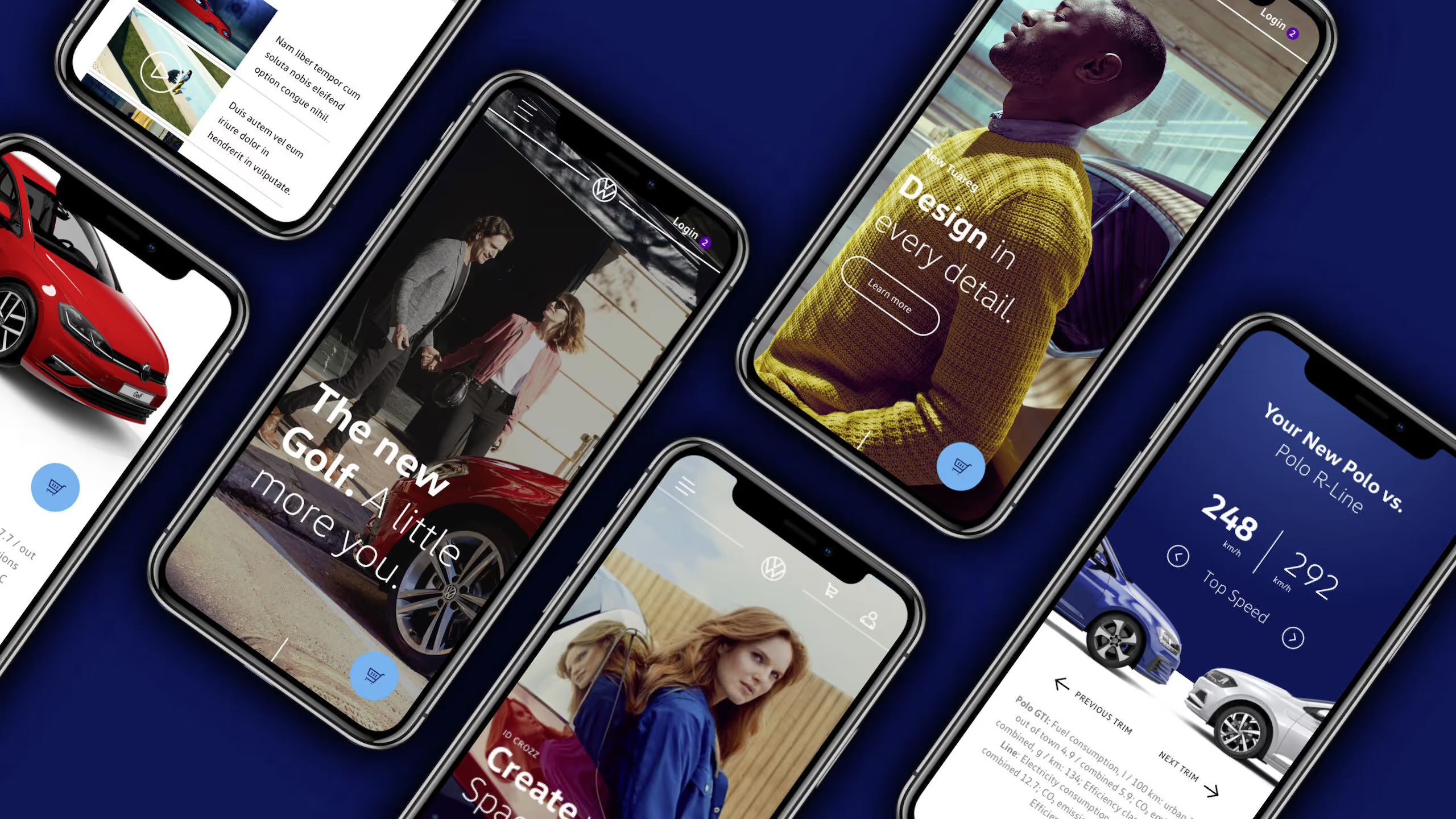
What emerged is not a set of guidelines, but a system that keeps moving. A living style guide sits at the center, continuously updated, used and questioned by teams across the world. Around it, a component-based structure allows products to scale without losing coherence. Illustration, motion and interaction are not decorative layers, but part of the same thinking, defining how the brand behaves rather than how it looks. Mobile experiences follow the same logic, extending the system instead of fragmenting it.
The result is something that doesn’t present itself as finished. It exists in use, across markets, across teams, across products. Maintained, adapted, stretched. Built collaboratively, but held together by a shared understanding of how the brand operates in digital space. Not a campaign. Not a rollout. More like a structure that others can enter and continue to build on.
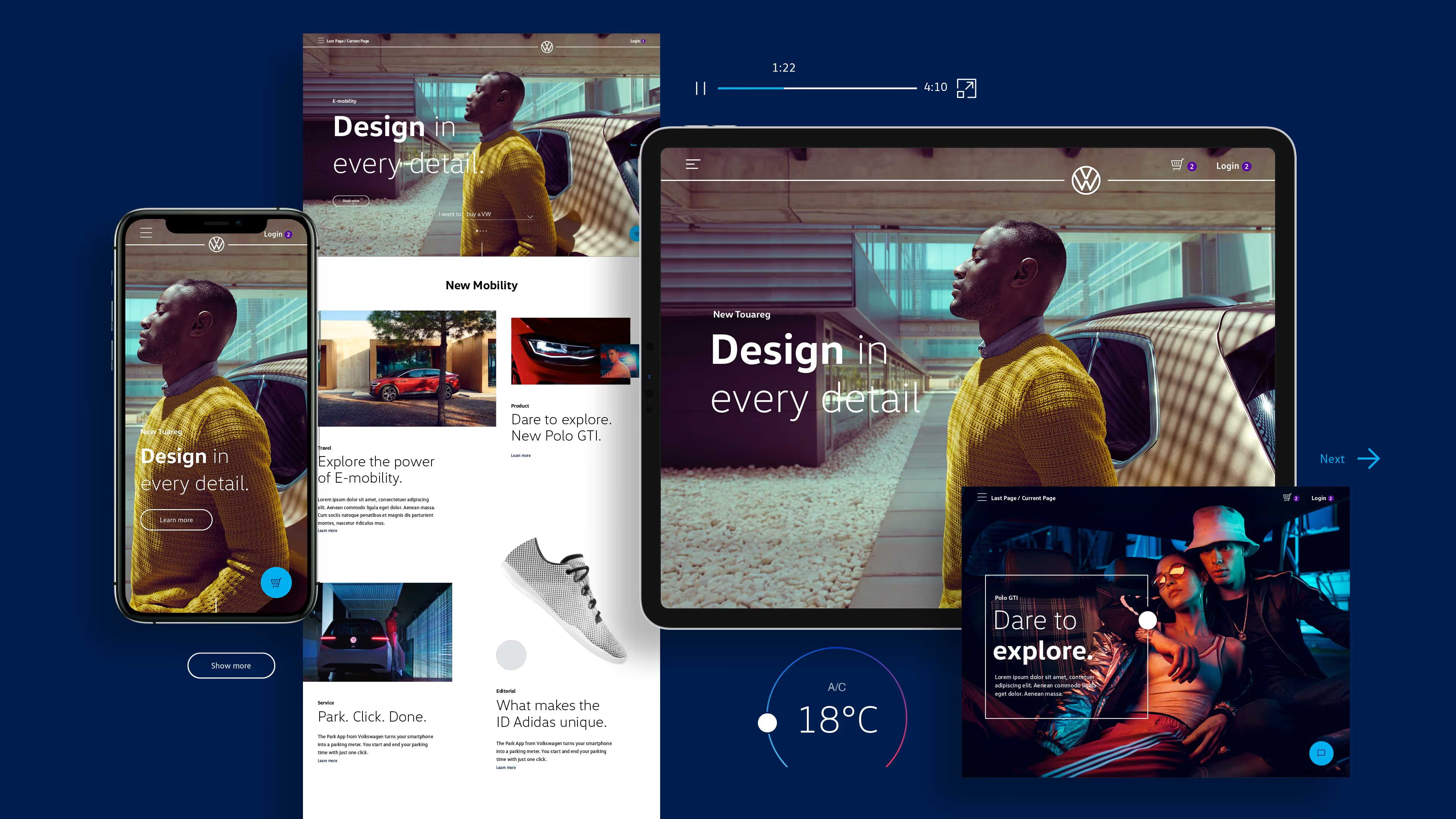
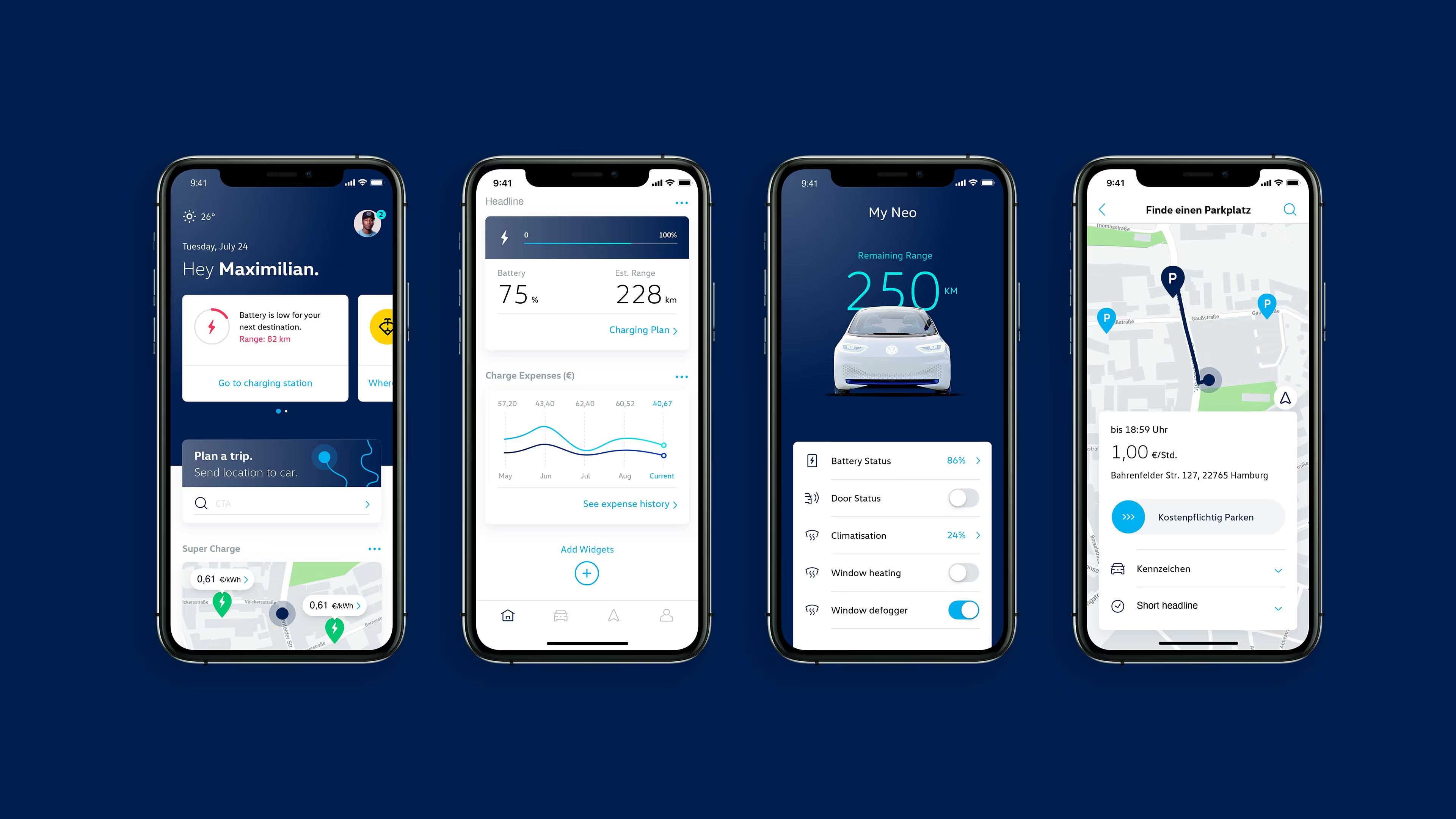
Supermarkt worked within the system, taking ownership of the digital layer — defining how the brand translates into products, components and behavior.